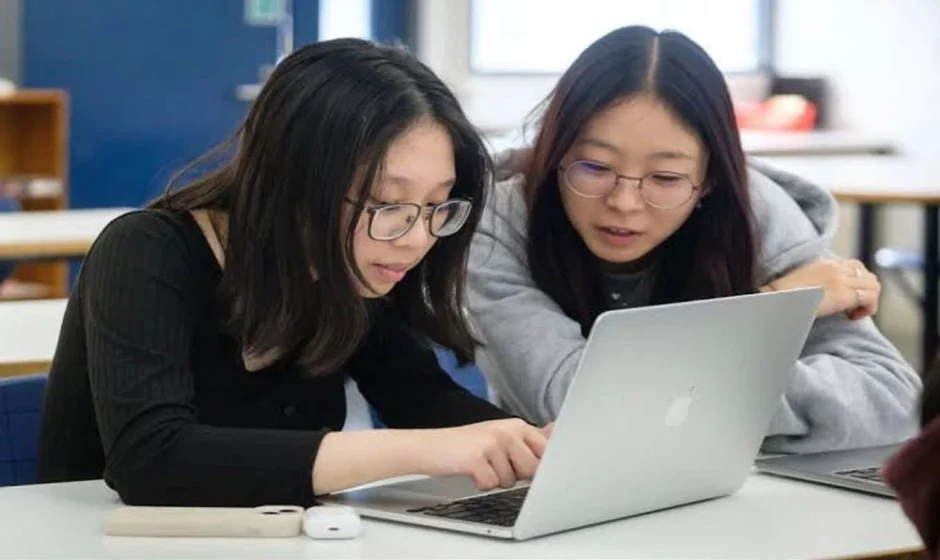

Strong learning habits grow when learners question information rather than accept every statement. Humanities education builds careful thinking by asking students to compare ideas while examining evidence before forming clear views. These habits support written work as well as research tasks for workplace decisions. A degree in education malaysia can also support structured study while developing useful reasoning skills across varied academic and professional settings.
Clear Thinking Through Reading
Reading varied texts trains the mind to notice meaning and purpose while finding supporting details. Learners compare viewpoints before forming an opinion. They also identify weak claims by checking whether reasons support each point. Regular reading develops patience because useful answers require attention. Pausing after each section helps identify its main claim with clarity during review. These habits encourage focused study sessions.
Analytical Skills Through Writing
Writing turns thoughts into organized explanations that others can understand. Learners must select useful evidence, then connect each point with a clear reason. This practice strengthens judgment because unsupported claims become easier to notice during revision. Strong writing helps students explain complex subjects without confusing language. Rewriting a paragraph from another angle can reveal gaps in reasoning before submission.
Research Supporting Better Decisions
Research teaches learners to gather reliable material before reaching a conclusion. Comparing sources encourages careful judgment rather than quick acceptance. Students can also organize findings around a clear purpose, which makes their work easier to follow. A degree in education malaysia can provide structured study that encourages these habits. Keeping notes beside sources helps separate facts from personal opinions during review sessions.
- Comparing sources helps learners notice differences in stated viewpoints clearly.
- Sorting useful evidence keeps written work focused and clear.
- Checking claims before acceptance reduces careless academic mistakes during assignments.
- Linking findings to goals strengthens practical reasoning skills during research.
- Reviewing opposing views encourages fair judgment during research tasks.
Reasoning Skills For Workplaces
Analytical habits remain useful beyond classroom tasks because workplaces require sound choices. People often need to understand reports while assessing proposals before explaining the reasons behind decisions. Training in humanities education can strengthen these abilities through regular reading and writing while making thoughtful comparisons. Such practice helps workers respond clearly when information changes.
Connecting Learning With Careers
Strong academic habits can support different professional paths because clear reasoning applies across varied roles. Learners can use analysis when preparing reports, planning projects, or evaluating written material. They can also transfer careful questioning into meetings where ideas need support. These skills make study more useful because knowledge becomes easier to apply.
Consistent practice sharpens judgment for future responsibilities. Deliberate inquiry, balanced comparison, and precise expression help individuals handle demanding duties with greater confidence. Repeated effort develops steady analysis that supports advanced courses as well as career choices. Humanities education offers a sound base for purposeful progress through thoughtful preparation as well as practical application over time across varied professional responsibilities daily.
FAQ
What makes humanities study useful for academic progress today?
It strengthens reasoning through reading while using evidence for sound analysis.
How can careful writing improve professional decision-making skills?
Writing helps organize reasons before important workplace choices are made.
Why does research matter for developing stronger analytical habits?
Research encourages careful comparison before forming clear, supported judgments.